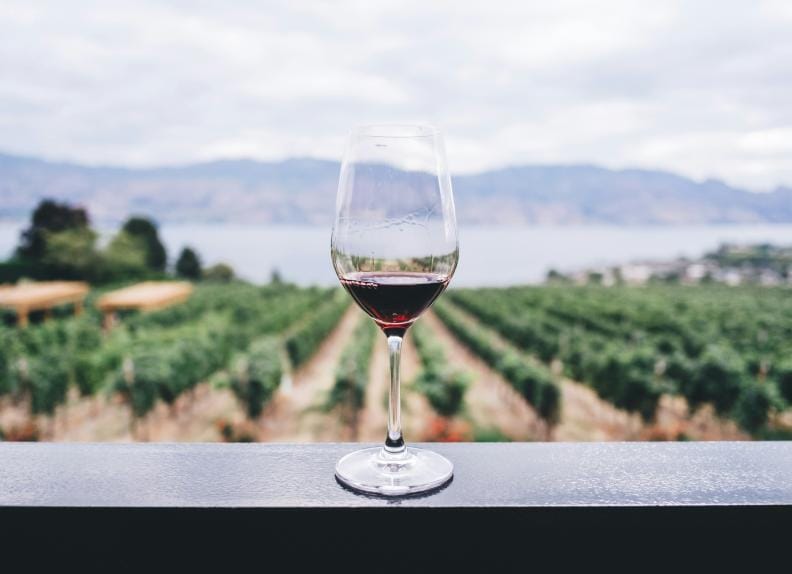
What is oenology?
Oenology, a captivating discipline at the heart of the art of winemaking, is defined as the science dedicated to the in-depth study and understanding of wine. This field of study extends from the cultivation of vines in the various wine regions to the technique of winemaking, including aspects such as bottling, tasting and marketing. By participating in an oenology workshop, participants immerse themselves in a world rich in information, discovering the nuances of wine making, its organoleptic characteristics, and the subtleties of tasting.
The fields of application of oenology are vast, encompassing not only red, white and rosé wines, but also champagnes, natural, organic and sparkling wines. It is thus a particularly extensive field of study and discovery, attracting both professionals in the sector and enlightened amateurs, find thenews on oenology.
At the heart of this science, the oenologist emerges as the master craftsman of wine, a scientist dedicated to each stage of the production process. His crucial role is to guide the winegrower, providing advice from the dates of the harvest to the choice of grape varieties, from cultivation methods to the control of alcoholic fermentation, and to the selection of treatments and additives. Working as a wine conductor, the oenologist collaborates with winegrowers, laboratories and cellarmen to create wines of exceptional quality.
It is important not to confuse the oenologist with the sommelier. While the oenologist focuses on the manufacturing process, the sommelier takes over to promote the wine and advise consumers, mainly in restaurants. Experts in wine service and food and wine pairings, sommeliers add a sensory dimension to the gastronomic experience, enhancing the diversity and richness of wines. In short, oenology, beyond being a science, becomes a shared passion, a sensory and cultural exploration that transcends the boundaries of simple beverage to become a true gustatory adventure.
Discover the best wine regions during your green seminar
Immerse yourself in the heart of French wine excellence during your next green seminar by exploring the most prestigious wine regions. France, the true cradle of oenological culture, offers a sensory and gourmet getaway through enchanting landscapes and diverse terroirs.
First of all, the Bordeaux vineyards, a region that embodies the French wine tradition in itself. Between prestige and nature, the Gironde is home to vineyards producing some of the most renowned wines in the world, such as Saint-Emilion, Margaux, Pauillac and Pessac-Léognan. Immerse yourself in the history of the great Bordeaux wines during a wine tour, discover small picturesque villages and let yourself be seduced by the majesty of nature.
Immerse yourself in the heart of the Champagne vineyards, where happiness is found in the sparkling bubbles. Champagne, the emblem of French luxury, offers a unique experience with cellars listed as World Heritage by Unesco. Explore Reims, discover the Pinot Noir, Meunier and Chardonnay grape varieties, and let yourself be enchanted by prestigious houses such as Dom Pérignon, Bollinger and Veuve Clicquot. A day of itinerant tasting through the enchanting panoramas of Champagne promises you an unforgettable experience.
In Burgundy, between great wines and traditions, let yourself be guided by the wine route through green hills, world-renowned plots, and typical villages. The richness of Burgundy wines is harmoniously combined with the culinary heritage of the region, offering a gourmet interlude in breathtaking landscapes.
Explore the Rhône Valley, a vineyard renowned for the diversity of its terroirs. From the northern slopes of Vienna to the southern heat between Montélimar and Nîmes, discover prestigious AOCs such as Châteauneuf-du-Pape, Côte-Rôtie and Hermitage. Let yourself be amazed by the diversity of flavors, aromas and landscapes during your seminar.
Finally, Provence and the Loire Vineyards, between charm, sun and paradise of wine tourism. Provence, with its lavender fields and centuries-old olive trees, offers a unique wine experience, while the Loire offers 1001 walks along its historic terroirs, between Touraine and Pays Nantais.
Your green seminar will thus be transformed into gustatory discoveries, wine traditions and breathtaking landscapes. Live an immersive experience in the heart of the best French wine regions.
Green seminar on oenology: organize a wine tasting
Organize a seminar in the heart of the vineyards focused on oenology, inviting your participants to savor a relaxed and enriching wine tasting experience. Immerse yourself in the enchanting world of wine flavors in the heart of a natural environment conducive to relaxation and exchange.
The main objective of this oenological getaway is to allow your employees to explore the subtleties of local wines in a convivial atmosphere. Opt for a relaxed approach by organizing the tasting in the open air, where the aromas and notes of the wines can fully express themselves, creating a soothing sensory experience.
Enthuse your participants by inviting an oenology expert who will share with them his passion and knowledge of wine. Allow for informal discussions and relaxed exchanges, thus promoting team cohesion in a relaxed setting.
In order to make this experience even more enjoyable, offer fun and participatory activities related to oenology. Simple games, anecdotes about local vineyards or blind tasting sessions can be integrated for a moment of pleasure and discovery.
Your green seminar on oenology will be a relaxing and enriching interlude, where wine tasting becomes an invitation to relaxation and conviviality. A gentle and memorable experience that strengthens the bonds within your team in a natural setting conducive to peace of mind.
Culinary Harmony: combine local wines with regional gastronomy
Offer an exceptional culinary experience to your green seminar by exploring the art of pairing local wines with regional gastronomy. Immerse yourself in a taste adventure where local flavors harmoniously meet the region's wines, creating a symphony of delights that will captivate your collaborators' palates.
During this exclusive event, let yourself be guided by expert oenologists who will share their passion and in-depth knowledge of local wines. Discover the subtleties of each grape variety and be amazed by the perfect pairings with regional dishes. From the freshness of a fruity white to the complexity of a full-bodied red, each wine will be meticulously selected to complement the unique flavors of local cuisine.
Create a convivial atmosphere by organizing the tasting outdoors if the weather is favorable, taking advantage of the natural setting to strengthen the bonds between participants, or organize a tasting in an atypical place such as a wine cellar that will perfectly match the theme of the seminar. Informal discussions around exquisite meals and carefully chosen glasses will contribute to an enriching and memorable experience.
By associating local wines with regional gastronomy, this green seminar becomes a celebration of the region's cultural and culinary richness. An experience that transcends the simple meal, thus reinforcing team cohesion in a soothing natural setting. Let yourself be carried away by this unique gastronomic adventure, where each dish and each wine tell a delicious story of the region.


